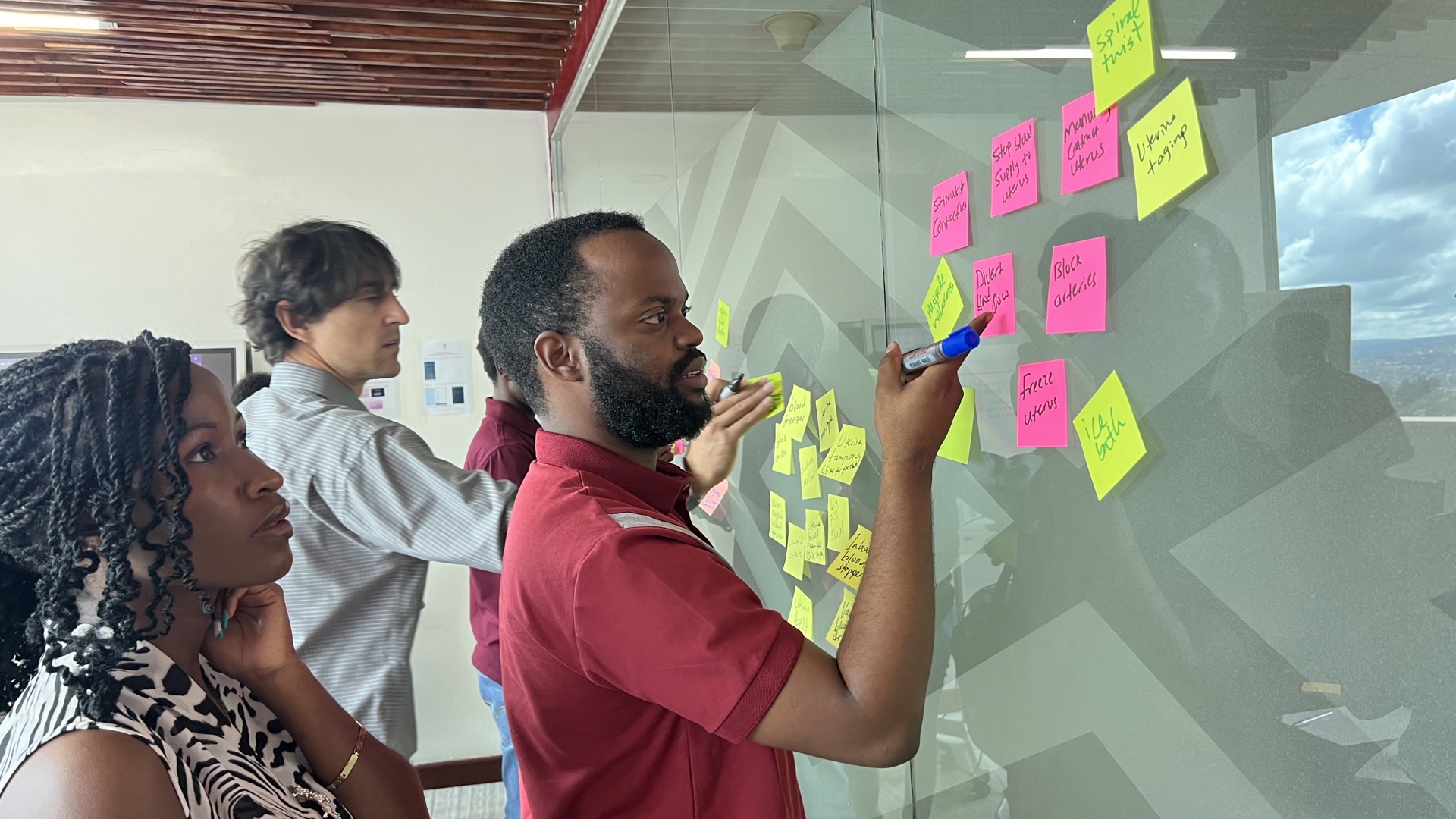
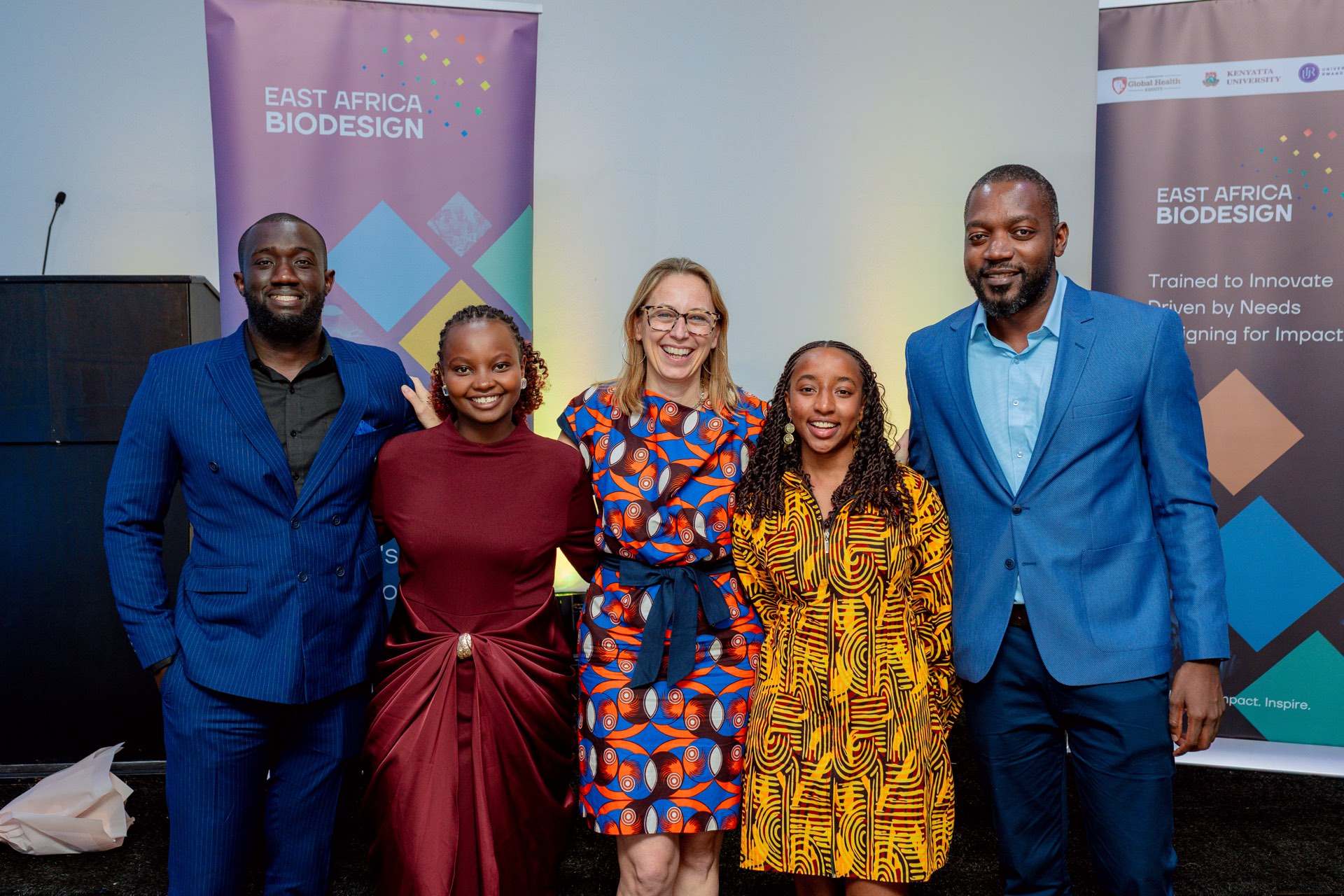
Snippets of our East Africa HealthTech Ecosystem Overview.
The HealthTech Value Chain, explained — how a health innovation travels from a first sketch to a product a clinician actually uses, and where East African innovators lose the thread.
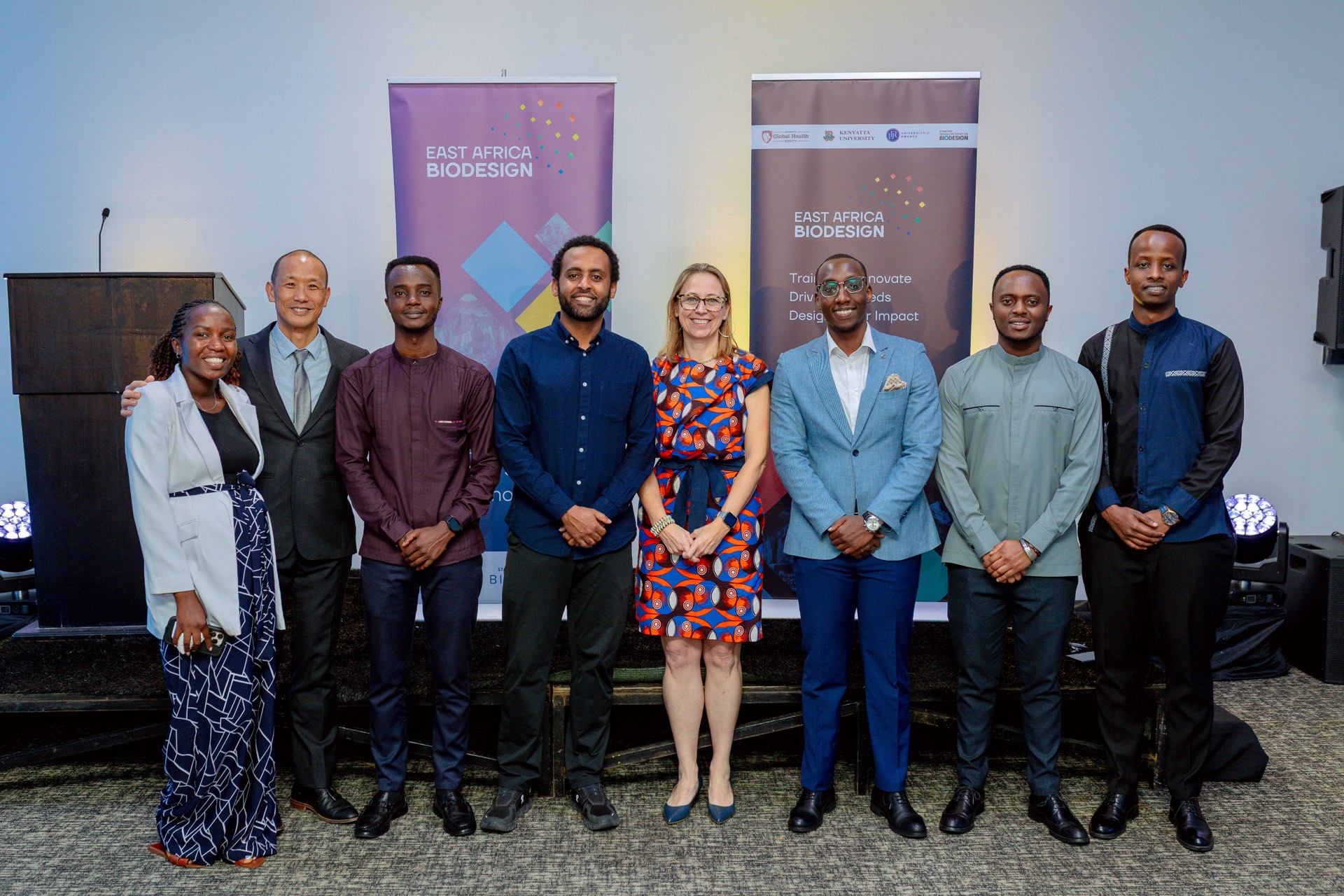
The East Africa Biodesign Program was established at the University of Global Health Equity in 2024 to train physicians, engineers, and entrepreneurs to find Africa's most urgent unmet clinical needs and build appropriate technologies that meet them.



Across Africa, medical technologies are too often designed elsewhere, then donated or imported at a premium, leaving the clinicians and engineers who understand local healthcare challenges best excluded from the innovation process.
The result is a persistent cycle of inefficiency. Devices enter health systems with business models that do not fit local procurement realities, cannot be serviced by local biomedical engineers, and too often end up in the proverbial “medical device graveyard.” Meanwhile, local innovators lack innovation frameworks, mentorship, and resources needed to develop impactful, need-driven medical technologies that are designed for their own contexts.
East Africa Biodesign is a collaboration between three East African universities and Stanford's Mussallem Center for Biodesign with an aim to train and support African health innovators to develop need-driven health solutions using the Biodesign process.
Coordinates the EAB consortium and hosts the Rwanda program.
Hosts the Rwandan program's innovation lab and engineering support.
Birthplace of the Biodesign process. Supports with faculty training, teaching and mentorship.
East Africa Biodesign works across two pillars — training the next generation of African innovators, and strengthening the ecosystem they graduate into.
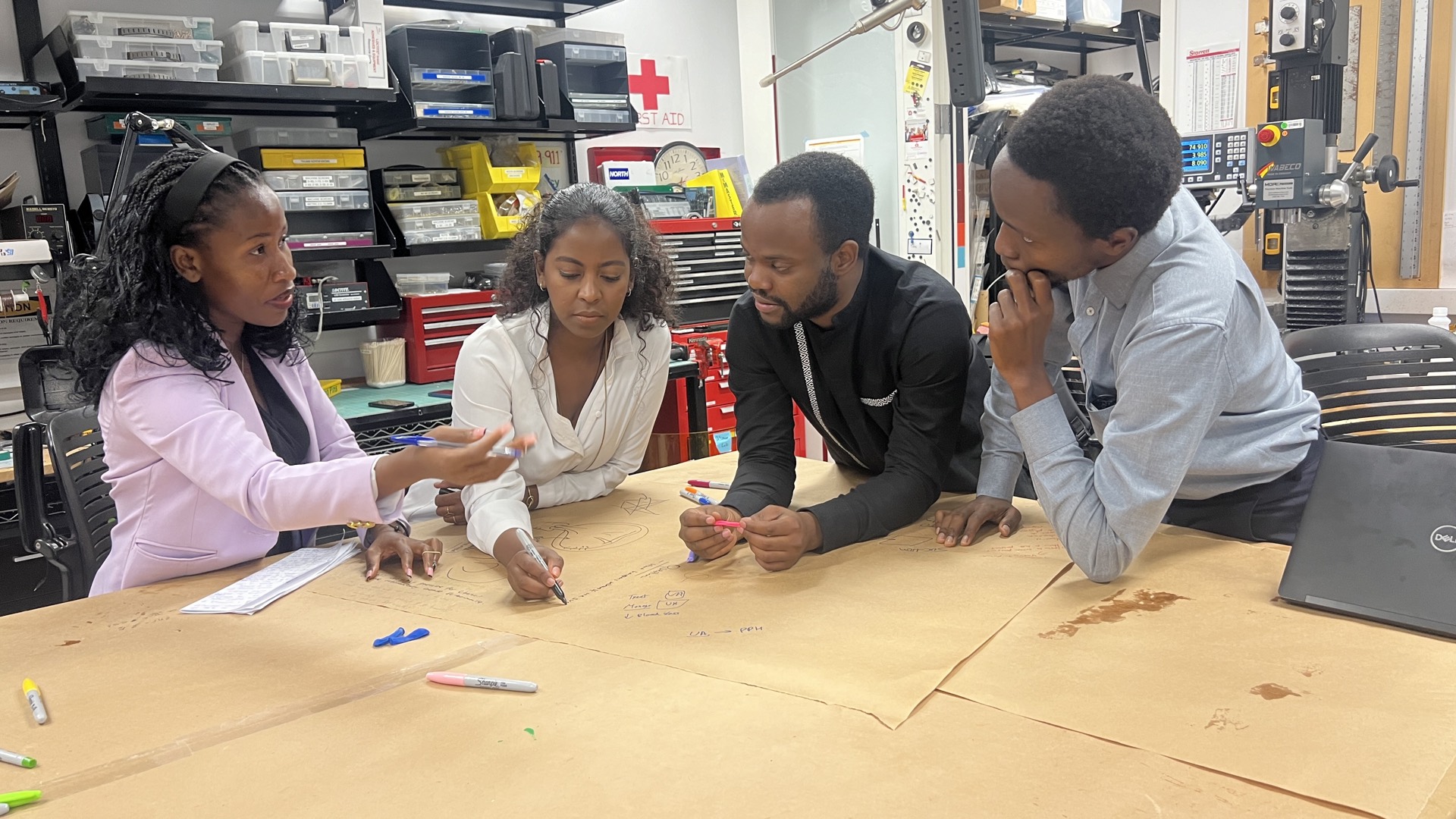
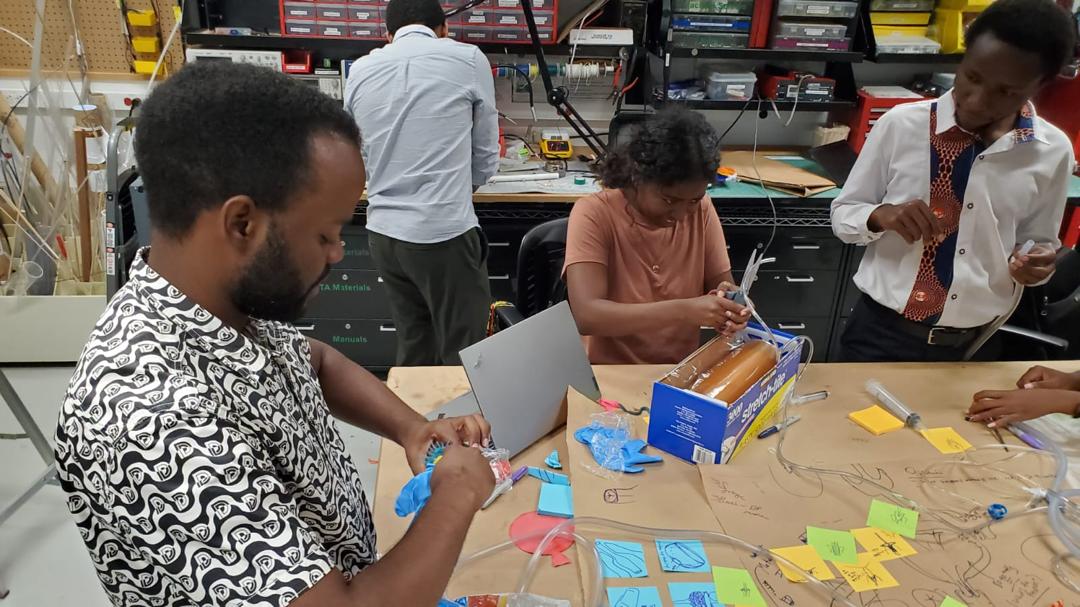
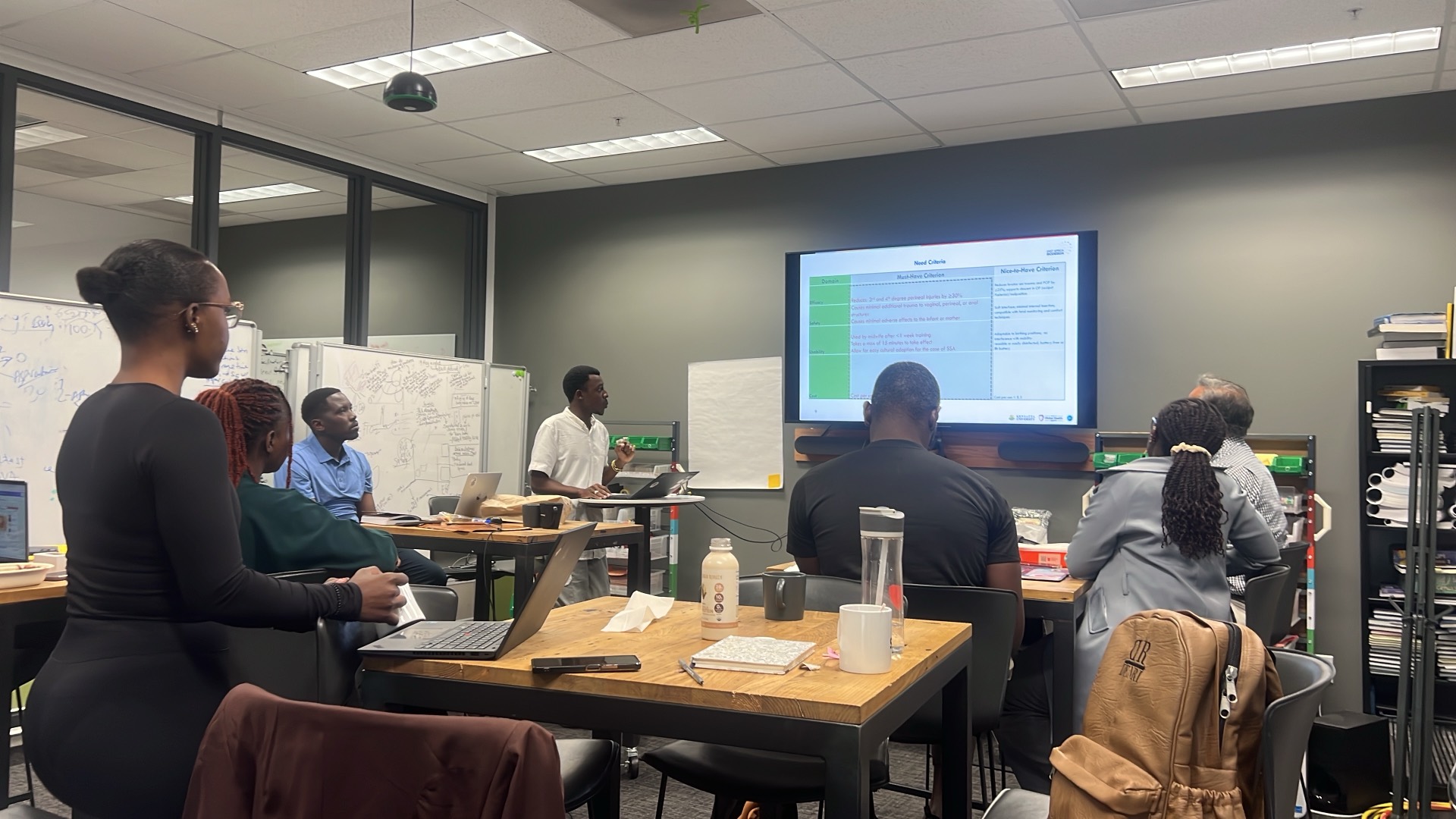
Over 10 months, our multidisciplinary group of fellows engage in a transformative project-based learning experience, combining classroom instruction, hands-on experience, and mentorship from experts in the MedTech ecosystem. They immerse in local healthcare settings to identify unmet clinical needs, conduct rigorous stakeholder and need validation research, and develop solutions and implementation strategies that promote equitable healthcare delivery.
Our ecosystem-support efforts include a MedTech landscape exercise to identify the key opportunities, challenges, and stakeholders shaping health innovations across East Africa. The findings were widely shared with innovators, founders, investors, policymakers, and ecosystem partners.
Building on these insights, we strengthened the innovation ecosystem through a combination of stakeholder convenings, sponsorship and co-organization of flagship events such as the Transforming African MedTech Conference, co-hosting the East Africa Innovation webinar series, and delivering hands-on workshops that equip founders with the knowledge, networks, and practical skills needed to advance their innovations.
The program is run by a diverse group of Stanford Biodesign-trained faculty from across the University of Global Health Equity, the University of Rwanda, and Kenyatta University — with Stanford continuing to support. In addition to core faculty, EAB sources expertise from a global network of MedTech and HealthTech experts.

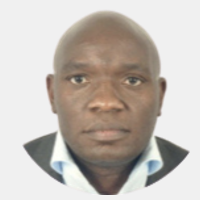
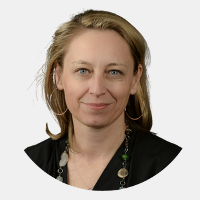
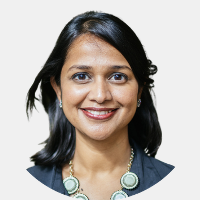
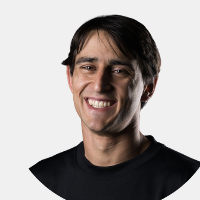







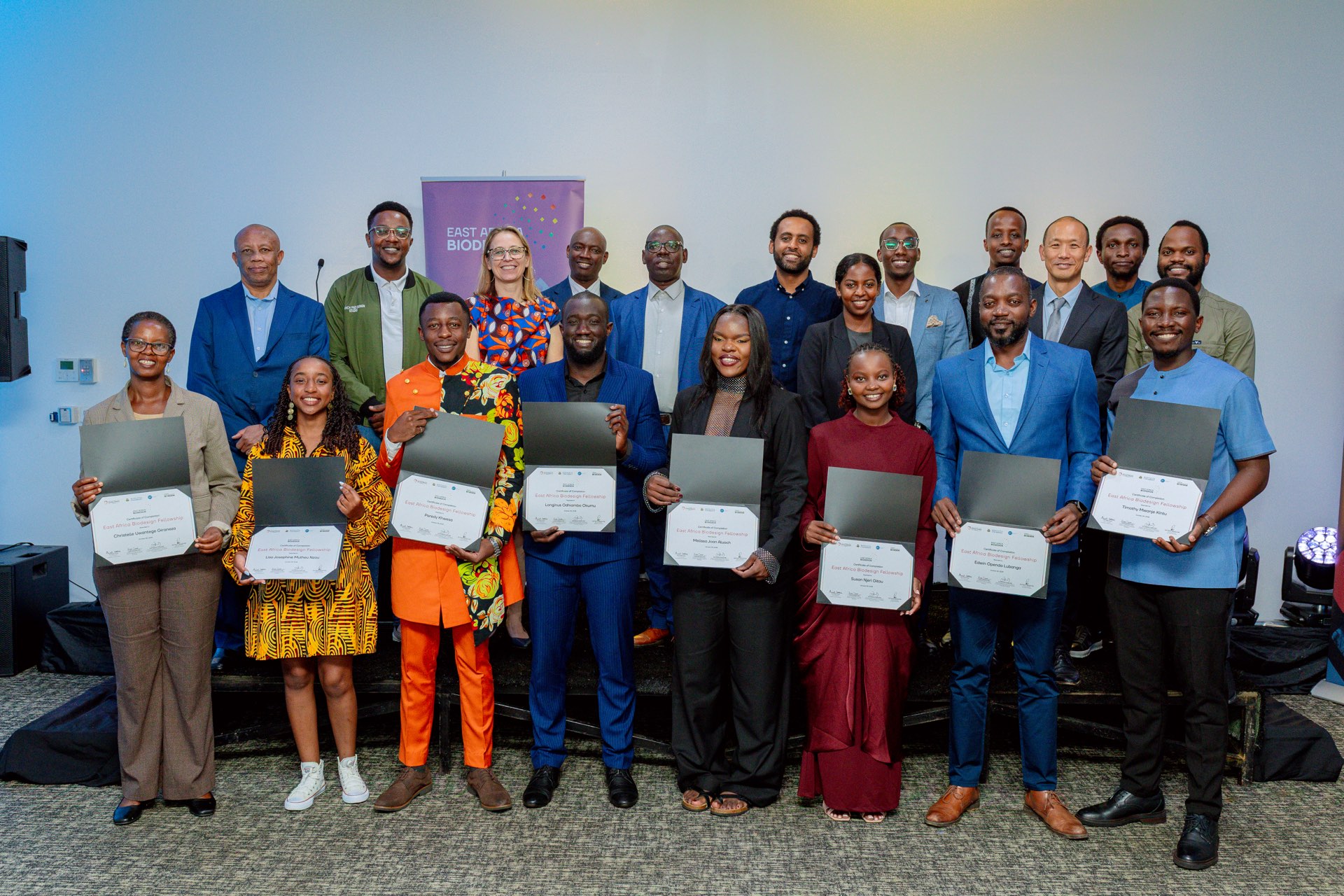
Twelve fellows have graduated across two cohorts, drawn from medicine, engineering, and material science across five African countries.
Four ventures have spun directly out of the fellowship — each addressing a leading cause of preventable maternal and newborn harm.
Postpartum hemorrhage is the leading cause of maternal mortality in Africa, killing 200,000 women a year. OctoPress is a single-provider device that controls bleeding within 1–3 minutes, nearing its first-in-human study.
$500K raised Incorporated Patent filed 🏆 TAMC 2025 Early Stage WinnerOnly 4 in 10 newborns needing oxygen in Sub-Saharan Africa receive it safely. EasyBreathe auto-titrates and blends oxygen delivery, built for facilities with limited staffing and infrastructure.
$25K raised IncorporatedPerineal trauma from tears and episiotomies is common and under-treated. Waridi is a single-use, hands-free adhesive warm pad that reduces trauma during delivery.
$35K raised Incorporated Patent filedUndiagnosed cephalopelvic disproportion is a major cause of preventable obstructed labor. EsidAI is an AI model that predicts the likelihood of safe vaginal delivery from ultrasound imaging, enabling earlier, more informed clinical decision-making.
$90K raised Patent filedThe experience completely changed my perspective by teaching me the importance of always starting with a real need — a truly customer-centric approach to innovation.
The fellowship gave me the tools to turn a clinical frustration I'd carried for years into a device that could save women's lives. That path didn't exist for us before EAB.
Working with EAB fellows has changed how we think about local innovation as a hospital. They embed, they listen, and they build things we actually need.
We're now building the next chapter — and looking for partners who want to grow the program's reach and impact.
Our goals for the next chapter:
Whether you're a foundation, a corporate philanthropy, an angel, or an ecosystem partner — we'd like to talk.